
Key takeaways
- A default is what happens when you do nothing. A good default does the right thing for you
- Five defaults cover most of a practice’s money: tax transfers, scheduled tax payments, a set paycheck, bank feeds, and a monthly review
- Your IRS Online Account and IRS Direct Pay let you schedule estimated payments up to 365 days ahead
- Defaults need a quick check each quarter, since your income changes
The most reliable way to pay your taxes and yourself on time is to set each one up once, so it happens by default. Research on retirement plans shows how strong defaults are. When one large company switched its 401(k) to automatic enrollment, participation rose sharply while the plan’s economic features stayed the same. The same idea works in a therapy practice.
What is the default effect?
Economists Brigitte Madrian and Dennis Shea studied a large U.S. company that changed its 401(k) from opt-in to automatic enrollment. Participation was significantly higher under automatic enrollment. Many employees also kept the contribution rate the company had picked for them.
People tend to stay with what’s already set. At 6 p.m. after seven sessions, you’ll go with whatever takes zero decisions. The goal is to make that the right outcome.
Which defaults should a therapy practice set up?
- An automatic transfer to tax savings. Set a recurring transfer from business checking to a separate tax savings account, weekly or twice a month. A common starting point is 25% to 30% of your profit.
- Scheduled quarterly tax payments. Schedule each estimated payment ahead of its due date through your IRS Online Account or IRS Direct Pay. Both let you schedule a payment up to 365 days ahead. Check your state’s tax site for the same option.
- A set paycheck for yourself. Set a recurring transfer from business to personal on the same day each month. Steady pay makes a variable income easier to live on.
- Bank feeds for your bookkeeping. Connect your business accounts so transactions flow into your books on their own.
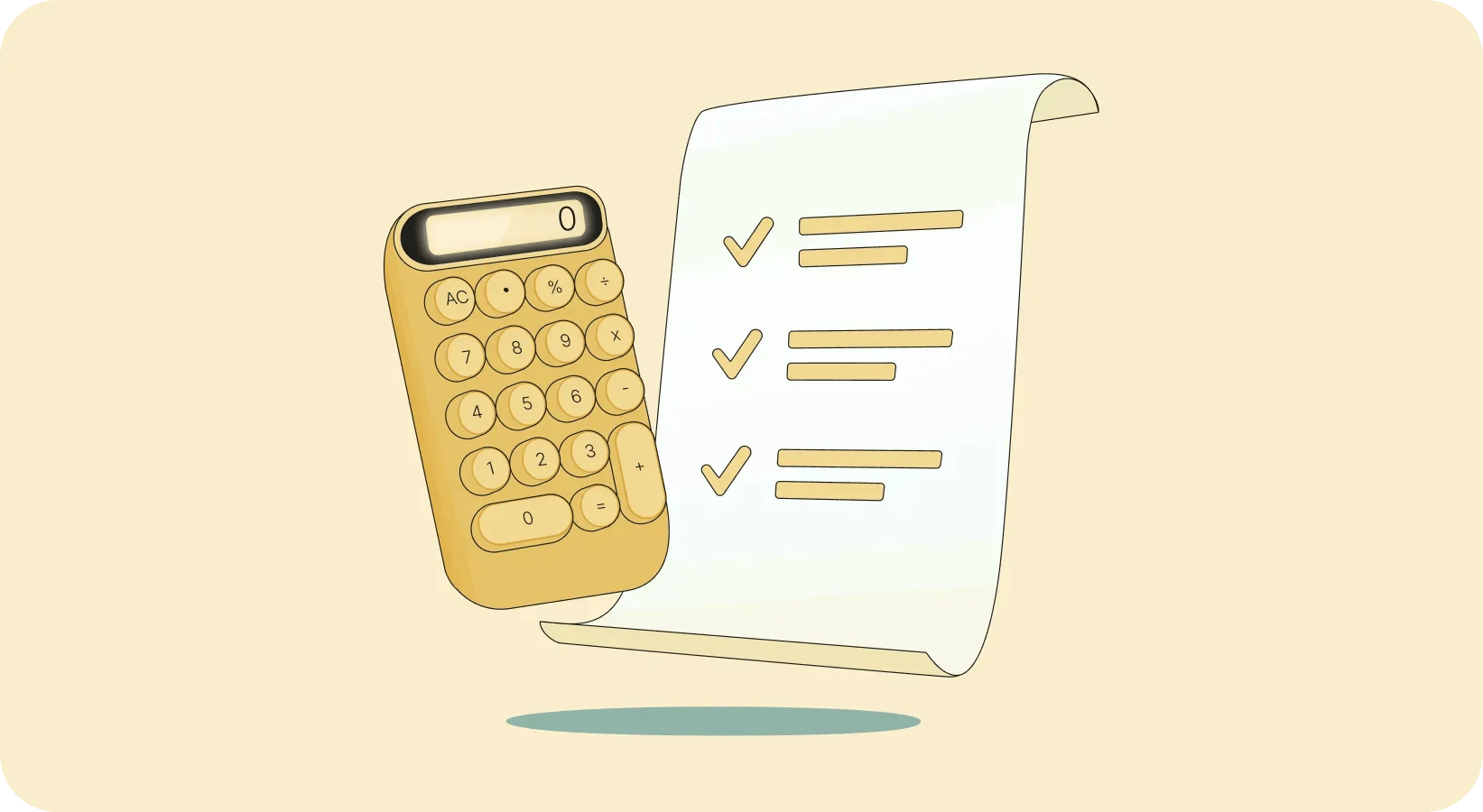
- A standing monthly review. Put 30 minutes on your calendar as a repeating event. This checklist gives you an agenda.
One update if you’ve used EFTPS in the past: the IRS has retired EFTPS for individual taxpayers. As of November 12, 2026, individuals pay through Online Account or Direct Pay.
What still needs your attention?
Defaults keep running when your income changes, so they need a look each quarter. If your caseload grows or drops, update your transfer amount and your next estimated payment.
Heard connects to your business accounts, keeps your books current, and prepares your quarterly tax estimates. Book a free consult to see what you can set once.
Frequently asked questions
Can I schedule estimated tax payments in advance?
Yes. Your IRS Online Account and IRS Direct Pay both let you schedule a payment up to 365 days before its due date.
Can I still use EFTPS to pay estimated taxes?
As of November 12, 2026, EFTPS is closed to individual taxpayers. The IRS directs individuals to Online Account or Direct Pay.
How much should my automatic tax transfer be?
A common starting point is 25% to 30% of your profit. Adjust it after each quarterly estimate.
This post is to be used for informational purposes only and does not constitute legal, business, or tax advice.